Rianty Lovena Font Review: A Handwritten Script for Creative Branding
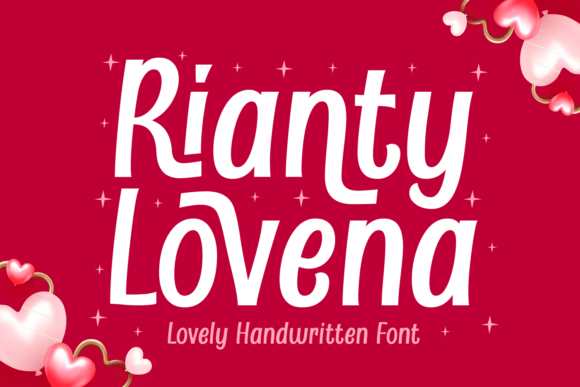
It was one of those late mornings when I opened up a new brand board for a local handmade shop. The client wanted something warm, personal, and approachable—nothing too corporate or cold. I needed a font that felt like it had been written by someone who truly cared about their craft. That’s when I pulled out Rianty Lovena, a script handwritten font with just the right amount of character. It wasn’t long before I realized this typeface could be the perfect fit for many more projects beyond that single brand identity.
Rianty Lovena in Logo Design and Brand Identity
When I first tested Rianty Lovena on a logo concept, I was immediately drawn to its soft curves and fluid strokes. This handwritten script font has an organic feel that brings warmth and authenticity to any mark. I paired it with a minimalist sans serif in the tagline to maintain clarity while letting Rianty shine as the main identifier. In this role, it worked beautifully—it didn’t overpower the design but instead added a human touch that elevated the whole look.
One thing I noticed early on is that Rianty Lovena performs best when used as a display font rather than for body text. Its delicate nature makes it unsuitable for large amounts of reading material, but it excels in short, impactful phrases. If you’re designing a boutique logo, a café sign, or a skincare brand mark, this script handwritten font can give your work that signature elegance without feeling overdone.
Rianty Lovena on Packaging Mockups and Product Labels
Next, I tried Rianty Lovena on some packaging mockups for a small-batch candle line. The label design required a name that felt artisanal and handcrafted. I layered the font subtly over a textured background and added a bit of spacing between letters for legibility. The result? A product label that looked like it came from a cozy atelier, not a generic template.
What stood out was how well Rianty Lovena adapted to different sizes and formats. Even at smaller point sizes on a bottle cap, it retained enough clarity to remain readable. For larger headers on the box, it added a sense of artistry and attention to detail. When using a handwritten script font like this in packaging design, it's important to test how it looks in both digital and print environments. Fortunately, Rianty Lovena handled both admirably.
Rianty Lovena for Social Media Graphics and Editorial Layouts
Later that week, I used Rianty Lovena in a series of social media graphics for a wellness blog. The posts were meant to feature quotes and lifestyle tips, so a decorative yet legible script handwritten font was essential. I found that using RiantyLovena in short phrases against clean backgrounds gave each post a unique personality. It helped create visual interest without sacrificing professionalism.
In editorial layouts, such as a seasonal newsletter for a creative studio, I limited Rianty Lovena to headlines and pull quotes. Its expressive style made these elements pop, guiding the reader’s eye through the content. But I avoided using it for longer sections of text, as the natural variation in stroke width and letterform can make it harder to read when extended. Still, in the right context, it adds a level of sophistication that other Fonts simply can’t replicate.
How Rianty Lovena Enhances Brand Perception and Recognition
Working with Rianty Lovena across multiple branding assets, I noticed how it subtly influences brand perception. Because it’s a script handwritten font, it conveys intimacy and creativity—ideal for businesses that want to feel personal yet polished. Whether it’s on a bakery menu or a website header, the font gives off a vibe of craftsmanship and intentionality.
I also observed how consistent use of Rianty Lovena helped reinforce brand recognition. Once clients saw the same handwriting-style typeface across business cards, labels, and Instagram stories, they started associating it directly with the brand. That kind of visual consistency is powerful, especially in niche markets where personality matters more than rigid formality.
Font Pairing and Stylistic Flexibility
As a designer, I always consider how a script handwritten font will pair with others. With Rianty Lovena, I found that it works exceptionally well alongside modern sans serifs or classic serif fonts. For example, pairing it with a clean, geometric sans serif in secondary text helps balance its ornate nature while maintaining a professional edge.
If you're going all-in on a creative project, try combining Rianty Lovena with another handwritten font or even a bold display type for contrast. But don’t go too wild—this font has a refined charm that should stay central. It’s not the kind of Fonts you’d layer with three other styles unless you're aiming for a very specific aesthetic.
Realistic Limitations and When Not to Use Rianty Lovena
Like any script handwritten font, Rianty Lovena isn’t without limitations. It doesn’t hold up well in small body text or long paragraphs. Attempting to use it for extended reading would be a disservice to both the design and the user experience. I wouldn’t recommend it for formal corporate documents, technical manuals, or anything where readability takes precedence over style.
That said, if your project leans into creativity, emotion, and storytelling—like wedding invitations, greeting cards, or fashion branding—Rianty Lovena can become a defining element. Just keep it in check; don’t overuse it. A little goes a long way with this kind of Fonts.
Practical Tips for Testing Rianty Lovena Before Committing
Before suggesting Rianty Lovena to a client, I always do a quick test run. I apply it to a variety of real-world scenarios: a homepage hero section, a printed business card, a poster layout, and sometimes even a mockup of a storefront sign. These tests help me see how it behaves in different contexts and whether it supports the brand’s tone and goals.
Also, take advantage of any included alternates or ligatures. Many script handwritten Fonts offer stylistic variations that can add depth and individuality to your designs. With Rianty Lovena, I found the built-in swashes and flourishes enhanced the overall elegance without making the text feel cluttered.
Licensing Considerations for Commercial Projects
Something I always stress to my team is checking commercial licensing before using any Fonts in client work. Rianty Lovena is a premium font, and while it may come from a trusted source, it’s crucial to confirm what kind of usage rights are available. Will it be used on merchandise, websites, or print-on-demand items? Each platform might require a different license.
Multilingual support is also worth verifying, especially if the brand has international reach or plans to expand. Some handwritten script fonts only include basic Latin characters, which can limit their application. From what I’ve seen, Rianty Lovena seems to cover most common languages, but it's always wise to double-check.
In summary, Rianty Lovena is a standout script handwritten font that brings a sense of warmth and uniqueness to branding projects. It’s versatile enough for weddings, packaging, and editorial work, but careful consideration is needed for readability and scalability. As with any Fonts, test it thoroughly and ensure licensing matches your project needs. When used thoughtfully, Rianty Lovena can transform a simple design into something memorable and emotionally resonant.